Atmospheric Water Harvesting: A Game-Changer for Clean Water Access
Access to clean water is a fundamental need, yet millions around the globe face water scarcity, especially in arid regions or during emergencies. Innovative technologies are stepping up to address this challenge, and one standout solution is the passive atmospheric water harvester developed by researchers at MIT. This device pulls drinkable water straight from the air without needing electricity or filters, offering hope for communities in water-stressed areas. In this article, we’ll dive into the details of this groundbreaking technology, explore its potential, and look at other creative ways to produce water sustainably.
How the Passive Atmospheric Water Harvester Works
Imagine a device that looks like a window but quietly gathers water from the air, even in the driest deserts. That’s the essence of MIT’s passive atmospheric water harvester. At its core is a microstructured hydrogel panel infused with glycerol, designed to soak up water vapor from the atmosphere. The panel’s unique dome-like structure, reminiscent of bubble wrap, is framed by a durable polymer film backed by glass. This setup maximizes the surface area for capturing moisture while ensuring the device is sturdy enough for harsh environments.
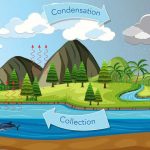
The process is elegantly simple. The hydrogel absorbs water vapor, and sunlight warms the panel, causing the trapped moisture to evaporate. This vapor then condenses on a cool glass surface, forming droplets of clean, drinkable water. No pumps, no power, no filters—just nature’s own cycle harnessed in a compact design. Unlike earlier devices that struggled with salt leakage into the water, the glycerol-based hydrogel ensures the output is safe for drinking.
Real-World Performance
The device was put to the test in California’s Death Valley, one of the harshest deserts on Earth. Under these grueling conditions, it produced between 57 and 161.5 milliliters of water per day. While this might seem modest, it’s a lifeline for individuals in crisis situations or small communities with no other water source. The device’s window-like size and low-cost materials make it a promising candidate for scaling up, potentially transforming water access in places like Sub-Saharan Africa or the Middle East.
Why This Technology Stands Out
What makes this harvester special is its simplicity and independence. It doesn’t rely on electricity, making it ideal for off-grid locations or disaster zones where power is unavailable. Its eco-friendly design avoids chemicals or energy-intensive processes, aligning with global sustainability goals. Plus, its low maintenance and affordable production mean it could be deployed widely without breaking the bank.
The potential applications are vast. From providing emergency water in refugee camps to supporting remote villages, this technology could reshape how we tackle water scarcity. Future iterations might feature larger panels or modular designs to boost output, making it suitable for entire communities.
Other Innovative Ways to Produce Water
The passive atmospheric water harvester is just one piece of the puzzle. Around the world, engineers and scientists are exploring diverse methods to generate water, each tailored to specific environments and needs. Here’s a look at some compelling alternatives.
Fog Harvesting Nets
In foggy coastal regions like those in Chile or Morocco, fog harvesting nets capture tiny water droplets from the air. These large, mesh-like structures act like giant sponges, collecting moisture that drips into containers. They’re low-cost and energy-free, perfect for misty areas, but less effective in dry climates.
Active Atmospheric Water Generators
Unlike their passive counterparts, active atmospheric water generators use electricity to pull moisture from the air. Fans and cooling systems condense water vapor into liquid, often producing liters of water daily in humid conditions. While efficient, their reliance on power and higher costs limit their use in remote or resource-scarce areas.
Rainwater Collection Systems
Capturing rainwater from rooftops or surfaces is a time-tested method, especially in rural areas. These systems are simple to set up and maintain, but their success depends on regular rainfall, making them unreliable in arid regions. Basic filtration is often needed to ensure the water is safe to drink.
Desalination Through Reverse Osmosis
For coastal communities, reverse osmosis turns seawater into fresh water by pushing it through a membrane to remove salt. It’s a powerful solution for large-scale water production, but the high energy costs and infrastructure requirements can be prohibitive for smaller or inland communities.
Greywater Recycling
Reusing water from sinks, showers, or laundry—known as greywater—is a smart way to stretch existing supplies. With proper treatment, greywater can be used for irrigation or even drinking. This approach is particularly useful in urban settings but requires investment in filtration systems.
The Future of Water Production
The passive atmospheric water harvester and its alternatives highlight the power of innovation in solving global water challenges. By combining these technologies, we can create tailored solutions for different regions—fog nets for coastal areas, desalination for cities, and atmospheric harvesters for deserts. Advances in materials, like next-generation hydrogels or nanomaterials, could further boost efficiency, while modular designs might make large-scale deployment easier.
Collaboration is key. Governments, NGOs, and private companies need to work together to fund research, scale production, and distribute these technologies to those who need them most. With the right support, clean water could become a reality for everyone, no matter where they live.
Water scarcity is a daunting problem, but solutions like MIT’s passive atmospheric water harvester show that creativity and science can light the way forward. By pulling water from the air with no power or filters, this device offers a glimpse of a future where clean water is within reach for all. Paired with other methods like fog harvesting, desalination, and recycling, we have a toolkit to tackle water challenges head-on. The journey to universal water access is long, but every drop counts.